Everest Base Camp Trek, A Complete Planning Guide
- soleencounters
The Everest Base Camp Trek is one of the most iconic trekking journeys in the world. It offers travelers the opportunity to walk through the heart of the Himalayas, experience Sherpa culture firsthand, and stand at the base of Mount Everest, the highest mountain on Earth.
Table of Contents
This blog is written as a complete planning guide for anyone considering the Everest Base Camp Trek. It explains what the trek involves, who it is suitable for, how route choices and timing affect the experience, and why flexibility, teamwork, professional logistics, and safety-focused planning are essential. For travelers looking for a well-organized and certified trek, detailed information about the actual trip can be found on the official Everest Base Camp Trek itinerary.
Why the Everest Base Camp Trek Is So Well Known
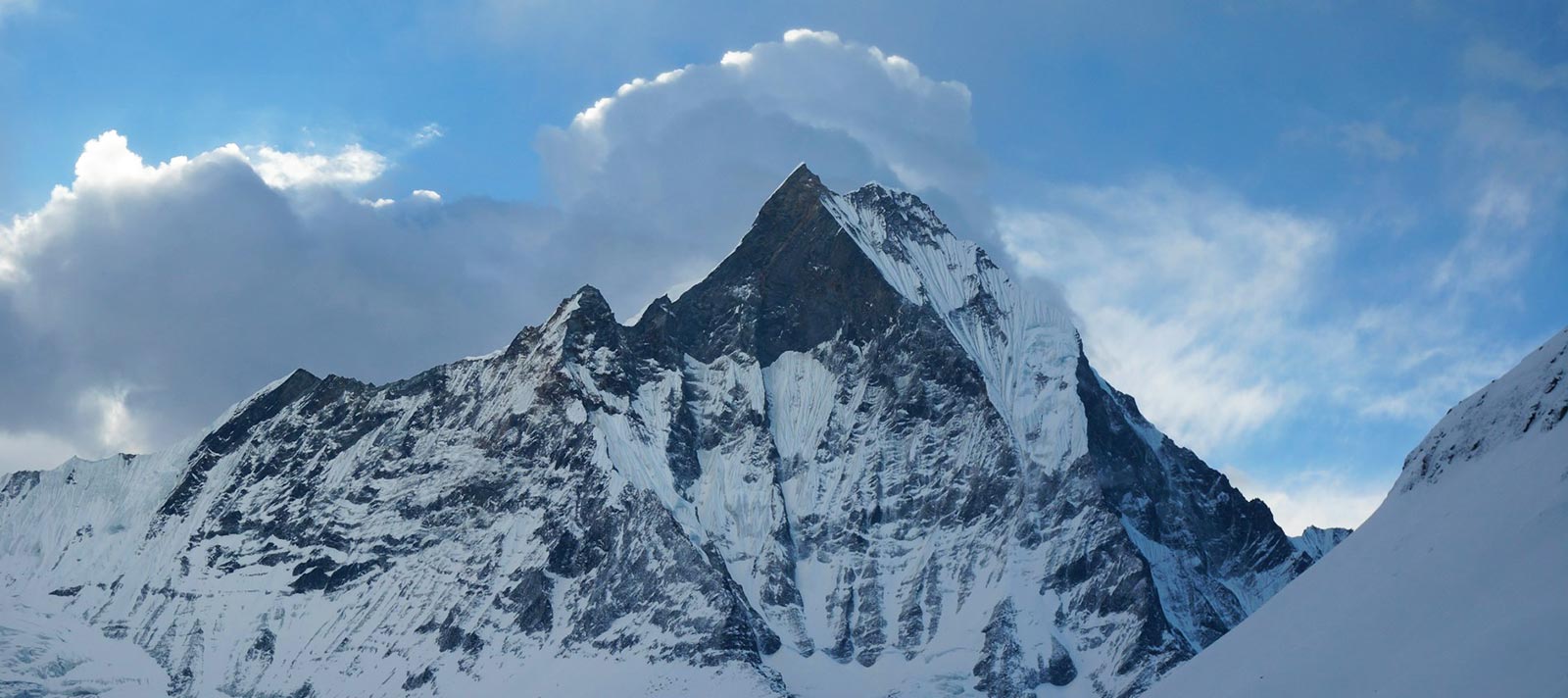
Everest Base Camp lies at an altitude of 5,364 meters in Nepal’s Khumbu region, within Sagarmatha National Park, a UNESCO World Heritage Site. The trek does not require technical climbing skills, yet it brings trekkers directly beneath Mount Everest, Lhotse, Nuptse, and Ama Dablam.
What makes this trek exceptional is the combination of dramatic Himalayan landscapes and living mountain culture. The trail passes through Sherpa villages, monasteries, suspension bridges, forests, and glacial valleys. It is both a physical challenge and a deeply cultural journey.
Who the Everest Base Camp Trek Is Suitable For
The Everest Base Camp Trek is suitable for:
-
Fit walkers who can hike for several hours per day
-
Trekkers who value steady pacing and acclimatization
-
Travelers comfortable with basic but warm mountain lodges
-
People who appreciate teamwork and shared effort
It may not be suitable for:
-
Those expecting luxury accommodation throughout
-
Travelers unwilling to adjust plans due to weather
-
Anyone unable to allow buffer days
-
People with unmanaged medical conditions affected by altitude
This trek rewards preparation, patience, and flexibility far more than speed or athletic ability.
Everest Base Camp Trek Overview
-
Region: Khumbu, Nepal
-
Typical duration: 14 to 16 days, depending on itinerary and acclimatization
-
Trekking distance: approximately 130 km round trip
-
Everest Base Camp altitude: 5,364 meters
-
Highest point: Kala Patthar at 5,545 meters
-
Difficulty level: Moderate adventure trekking
Most itineraries begin with a flight to Lukla, followed by a gradual ascent through Phakding, Namche Bazaar, Tengboche, Dingboche, Lobuche, and Gorakshep before reaching Everest Base Camp and Kala Patthar. A detailed day-by-day breakdown is available on the Everest Base Camp Trek trip page.
Cultural and Natural Highlights Along the Trail
The Khumbu region is the ancestral homeland of the Sherpa people, whose culture is deeply influenced by Tibetan Buddhism. Prayer flags, mani walls, monasteries, and chortens line the trail.
Highlights include:
-
Namche Bazaar, the cultural and commercial hub of the Khumbu
-
Tengboche Monastery, one of the most important spiritual landmarks
-
Sagarmatha National Park with protected landscapes and wildlife
-
Panoramic views of Everest, Ama Dablam, Lhotse, Nuptse, and Pumori
Everest Base Camp Route Options Explained
Classic Lukla to Everest Base Camp Route
This is the most popular route and the standard option followed on the Everest Base Camp Trek itinerary. It offers reliable infrastructure, frequent villages, and proven acclimatization points.
Best for first-time Everest Base Camp trekkers and those wanting a balanced itinerary.
Gokyo Lakes and Cho La Pass Route
This extended route combines Everest Base Camp with the Gokyo Valley and a high mountain pass crossing.
Best for experienced trekkers who want fewer crowds and additional scenic variety.
Jiri Route to Everest Base Camp
The historic approach route used before Lukla airport existed. It involves more trekking days and greater physical demands.
Best for very fit trekkers with extended time and strong endurance.
Salleri or Phaplu Alternative Starts
These routes begin with road access instead of a flight, reducing dependency on Lukla airport.
Best for trekkers who want to avoid flight uncertainty.
Helicopter Return Options
Helicopter returns can be arranged after reaching Everest Base Camp for travelers with limited time or those seeking a more comfortable return, subject to weather conditions.
Choosing Your Route and Dates Based on Your Needs
Flexibility is one of the most important factors in planning the Everest Base Camp Trek. Weather, flight schedules, and individual energy levels all influence the journey.
A flexible trekking arrangement allows you to:
-
Choose preferred trekking dates
-
Customize itinerary length
-
Add extra acclimatization days
-
Include helicopter return options
-
Travel privately or in small groups
This approach helps ensure a smoother, safer, and more comfortable experience.
Altitude, Acclimatization, and Safety
As altitude increases, oxygen levels decrease. Proper acclimatization is essential to reduce the risk of altitude sickness. Well-designed itineraries include acclimatization days in Namche Bazaar and Dingboche, allowing the body to adapt gradually.
Experienced guides monitor trekkers daily and make decisions based on health, weather, and trail conditions. Safety is maintained through teamwork, communication, and realistic pacing.
Weather and Best Time to Trek Everest Base Camp
The most reliable trekking seasons are:
-
March to May with warmer temperatures and spring scenery
-
September to November with clear skies and stable weather
-
December to February for colder but quieter trails
-
June to August is the monsoon season and is less suitable due to rain and flight disruptions
Choosing flexible dates helps manage weather-related delays.
Lukla Flights and Smooth Travel Logistics
Flights to Lukla are weather dependent, and delays are common. This is a normal part of trekking in the Everest region.
A well-organized trek includes:
-
Buffer days for delays
-
Active weather monitoring
-
Alternative transport planning when possible
-
Clear communication throughout the journey
Good logistics reduce stress and allow trekkers to focus on the experience.
Accommodation Comfort on the Everest Base Camp Trek
Accommodation consists of teahouses and mountain lodges that vary by altitude. While facilities are basic, careful planning ensures comfort within Himalayan conditions.
Lower villages offer better facilities and private rooms, while higher villages provide simple rooms with shared bathrooms and heated dining areas.
Food, Energy, and Hygiene on the Trail
Meals are selected to provide energy and warmth. Dal bhat, soups, rice, noodles, and potatoes are common. Lodge selection and local knowledge play an important role in maintaining food hygiene and quality.
Everest Base Camp Trek Cost and Value
Trek costs reflect safety margins, guide support, accommodation planning, and logistics. Very low-cost treks often compromise on acclimatization, guide-to-trekker ratios, or contingency planning.
Transparent pricing ensures that permits, accommodation, transport, and crew support are clearly included. Full cost details can be reviewed on the Everest Base Camp Trek package page.
Preparing Before You Arrive in Nepal
Preparation improves safety and enjoyment:
-
Cardio and endurance training
-
Proper trekking boots and layered clothing
-
Insurance covering high-altitude trekking and helicopter evacuation
-
Understanding cultural etiquette and environmental responsibility
Clear pre-arrival information helps trekkers arrive prepared and confident.
Teamwork, Certification, and Professional Standards
The Everest Base Camp Trek is a team effort. Success depends on cooperation between trekkers, guides, and porters. Shared pacing, communication, and mutual support create a safer and more enjoyable environment.
Sole Encounters Adventures is a licensed and certified trekking company registered in Nepal and operates under national tourism regulations. Their guides and crew are trained, insured, and experienced in high-altitude trekking.
As a Nepal-based company, they manage all logistics directly, including permits, accommodation coordination, transportation, and safety planning. Their ability to customize trips, offer flexible dates, and adjust itineraries contributes to smoother and more comfortable trekking experiences.
Trekking Everest Base Camp with Sole Encounters Adventures
Sole Encounters Adventures offers Everest Base Camp treks that are flexible, safety focused, and designed around individual needs. Trekkers can choose travel dates, request private or small group trips, and adjust itineraries to suit fitness levels and comfort preferences.
Their experienced crews, strong teamwork, transparent pricing, and detailed pre-arrival support ensure that every aspect of the trek is handled smoothly and professionally. Full itinerary details are available on the Everest Base Camp Trek page.
Frequently Asked Questions
How difficult is the Everest Base Camp Trek
It is a moderate trek with proper pacing and acclimatization.
Can I choose my own dates
Yes, flexible dates and customized itineraries are available.
Is the trek safe
Yes, when managed by a certified company with experienced guides.
Is accommodation comfortable
Comfortable within Himalayan standards with careful planning.
Are logistics handled for me
Yes, including permits, accommodation, and transportation.
Final Thoughts
The Everest Base Camp Trek is a high-altitude journey that requires careful planning, flexibility, and teamwork. Choosing a certified local company that offers customized itineraries, smooth logistics, and comfort-focused planning makes a meaningful difference in safety and overall enjoyment.
For travelers seeking a well-organized, adaptable, and professionally managed Everest Base Camp experience, exploring the trek with Sole Encounters Adventures is a reliable next step.
👉 Learn more about the Everest Base Camp Trek here:
https://www.soleencounterstrek.com/trip/everest-base-camp-trek
Recent Posts
.jpg)
3rd Jul, 2025
.jpg)
4th Jul, 2025
.jpg)
4th Jul, 2025
.jpg)
7th Jul, 2025
.jpg)
8th Jul, 2025
.jpg)
8th Jul, 2025
.jpg)
8th Jul, 2025

10th Jul, 2025